
 English
 Hindi
Hindi Marathi
 Urdu
Urdu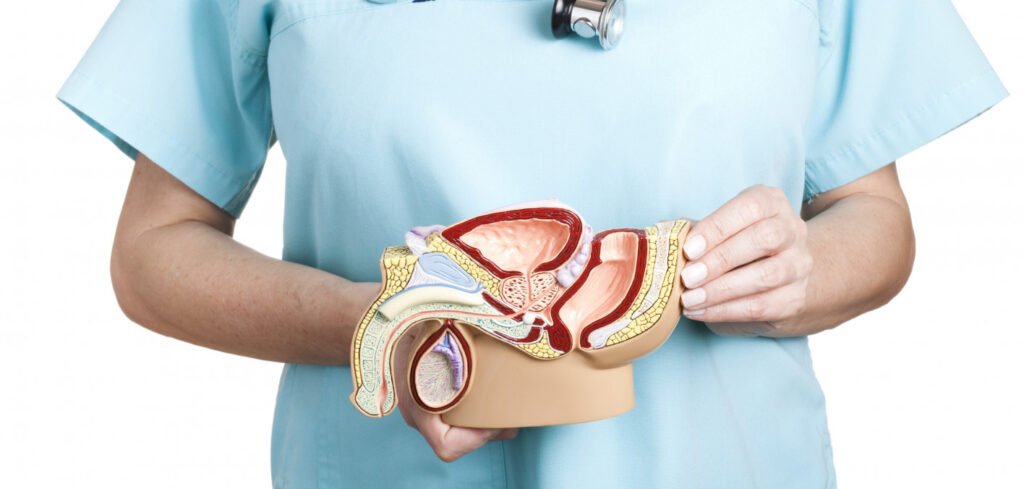
If you’ve recently been diagnosed with a varicocele and want to explore your options before committing to surgery, you’re not alone. Many men seek natural ways to reduce discomfort, improve circulation, and support reproductive health while keeping all possibilities open. While no herbal remedy or lifestyle change can eliminate a varicocele entirely, a well-planned natural approach can meaningfully reduce symptoms, enhance overall well-being, and in some cases support fertility outcomes.
Dr. Amol Lahoti, based in Chhatrapati Sambhaji Nagar, shares evidence-informed and Ayurvedic perspectives on managing varicocele naturally. This guide covers everything from diet and herbs to exercise and lifestyle modifications.
What Is Varicocele? A Quick Explainer
A varicocele is an enlargement of the pampiniform plexus, the network of veins that drains the testicle. It develops when the valves inside these veins fail to regulate blood flow properly, causing blood to pool and the veins to dilate. The condition is found in about 15% of the general male population and is present in up to 40% of men evaluated for infertility.
Common symptoms include:
• A dull ache or heaviness in the scrotum, especially after prolonged standing
• Visible or palpable swollen veins (often described as a “bag of worms”)
• Discomfort that worsens toward the end of the day
• Reduced sperm count, motility, or abnormal sperm morphology
• In some cases, testicular atrophy (shrinkage)
Important Disclaimer: Natural methods are supportive, not curative. Grade 3 varicoceles with active infertility typically require urological intervention. Always consult a qualified doctor before making health decisions.
Natural and Lifestyle Approaches to Manage Varicocele
The natural treatment for varicocele focuses on three goals: improving venous circulation, reducing oxidative stress, and managing the heat and pressure that aggravate the condition. Here are the most evidence-supported approaches.
A. Diet and Circulation Support
What you eat has a direct impact on vascular health and inflammation. A varicocele diet rich in antioxidants and vein-strengthening nutrients can help reduce oxidative damage to sperm and improve blood flow.
Foods to include:
• Anti-inflammatory foods: Berries, leafy greens (spinach, kale), turmeric, and ginger reduce systemic inflammation and support vascular function.
• Flavonoids and Vitamin C/E: Found in citrus fruits, bell peppers, almonds, and buckwheat. These nutrients directly strengthen vein walls and improve elasticity.
• Omega-3 fatty acids: Flaxseeds, chia seeds, and walnuts reduce inflammation and improve blood viscosity, making it easier for blood to circulate through compromised veins.
• High-fibre foods: A high-fibre diet prevents constipation and straining during bowel movements, which increases intra-abdominal pressure and worsens pelvic congestion.
• Adequate hydration: Aim for 8–10 glasses of water daily to keep blood thin and circulation efficient.
Foods to limit:
• Excess caffeine and alcohol (can increase blood pressure and vascular stress)
• Processed foods and red meat (pro-inflammatory and high in saturated fats)
• Refined sugar and trans fats (damage endothelial lining of veins)
B. Ayurvedic and Herbal Support
Ayurvedic treatment for varicocele has been practised for centuries in India. While clinical research is still emerging, several traditional herbs have a long history of use for male reproductive health and venous insufficiency. Always consult a qualified Ayurvedic practitioner before starting any herbal regimen.
Ashwagandha (Withania somnifera)
A powerful adaptogen that supports hormonal balance, reduces cortisol-driven vascular stress, and may improve sperm parameters. It is one of the most studied herbs for male reproductive health in Ayurvedic medicine.
Gokshura / Tribulus terrestris
Traditionally used for male reproductive wellness, Gokshura is believed to support testosterone levels, kidney function, and urinary tract health. It may also help reduce scrotal swelling associated with varicocele.
Punarnava (Boerhavia diffusa)
An Ayurvedic herb well-regarded for its anti-oedema and diuretic properties. Punarnava helps reduce fluid accumulation and swelling, which may ease the feeling of heaviness in the scrotum.
Horse Chestnut (Aesculus hippocastanum)
Used in Western herbal medicine, horse chestnut contains aescin, a compound with documented evidence for venous insufficiency. It helps strengthen vein walls and reduce pooling of blood.
Gotu Kola (Centella asiatica)
Known for improving microcirculation and strengthening connective tissue around veins. Gotu Kola is widely used in Europe and Asia for varicose veins and may offer similar benefits for varicocele.
C. Movement, Exercise, and Posture
Sedentary habits and poor posture worsen venous pooling. Incorporating regular movement and targeted varicocele exercises into your day helps maintain healthy circulation and reduces discomfort.
• Legs-up-the-wall pose (Viparita Karani): A gentle yoga inversion that encourages venous drainage from the lower body, relieving pressure on scrotal veins. Hold for 10–15 minutes daily.
• Pelvic floor exercises (Kegels): Strengthening the pelvic floor improves blood flow in the pelvic region and reduces venous stagnation.
• Light cardio: Walking, swimming, or cycling at a moderate pace supports overall vascular health without increasing intra-abdominal pressure.
• Scrotal support: Wearing snug, supportive underwear during physical activity and prolonged standing helps prevent blood from pooling due to gravity.
• Avoid: Heavy compound lifts such as squats, deadlifts, and leg presses, especially with maximal loads. These dramatically increase intra-abdominal pressure and can exacerbate varicocele symptoms.
• Take movement breaks: If you stand or sit for long periods at work, set a reminder to move every 45–60 minutes.
D. Lifestyle and Temperature Management
Scrotal temperature regulation is central to managing varicocele naturally. Elevated testicular temperature, a core problem with varicocele, directly impairs sperm production and increases oxidative stress.
• Avoid heat exposure: Hot tubs, saunas, steam rooms, and prolonged hot baths elevate scrotal temperature and worsen sperm quality. Keep showers lukewarm.
• Choose loose clothing: Tight underwear and jeans trap heat. Switch to breathable, loose-fitting boxer shorts made of natural fibres.
• Weight management: Excess abdominal fat increases intra-abdominal pressure, which restricts venous drainage from the testes. Even modest weight loss can make a difference.
• Stress management: Chronic psychological stress elevates cortisol, disrupts the HPG (hypothalamic-pituitary-gonadal) axis, and impairs reproductive hormones. Incorporate pranayama (yogic breathing), meditation, and 7–8 hours of quality sleep.
• Quit smoking: Smoking is directly linked to increased oxidative stress in seminal plasma and worsens sperm parameters in men with varicocele.
What Natural Methods Cannot Do
It’s important to be realistic. No diet, herb, exercise, or Ayurvedic protocol has been clinically proven to close faulty venous valves or reverse a Grade 2 or Grade 3 varicocele structurally. The vascular anatomy does not change with lifestyle alone.
What natural varicocele home remedies can do is reduce symptom burden, lower oxidative stress, improve sperm parameters in mild cases, and support recovery if you eventually choose a procedure like varicocelectomy or percutaneous embolization. Think of natural care as a complement to medical management, not a replacement.
When Should You See a Doctor?
Natural care has its place, but there are clear situations where professional evaluation is non-negotiable:
• Severe or worsening testicular pain that does not respond to conservative measures
• Rapid or noticeable change in testicular size (atrophy)
• Grade 3 varicocele confirmed on ultrasound with abnormal semen analysis
• If you and your partner have been trying to conceive for 12 or more months without success
• Varicocele detected in adolescence; early intervention may preserve testicular function
In these scenarios, a urologist or andrologist will assess whether varicocelectomy (microsurgical or laparoscopic) or radiological embolization is appropriate. These are minimally invasive procedures with high success rates.
Final Thoughts
“Natural care can make a meaningful difference in how you feel day to day. Improving your diet, managing stress, keeping active, and protecting scrotal temperature are all steps within your control, and they genuinely support reproductive health. But they work best alongside regular medical check-ups so you always know what’s happening internally.”
If you’re in Chhatrapati Sambhaji Nagar and looking for personalised guidance on varicocele management (whether natural, surgical, or both), Dr. Amol Lahoti offers comprehensive consultations tailored to your individual situation. Early evaluation gives you the most options. Don’t wait until symptoms worsen.
Managing varicocele naturally is a journey, not a quick fix. With consistency, the right habits, and the right medical guidance, most men see a real improvement in comfort and quality of life.
Frequently Asked Questions
Add this FAQ section at the bottom of the blog, just before the closing CTA. It directly feeds the FAQPage schema above and targets question-based search queries (“People Also Ask” boxes).
Q1. Can varicocele be treated naturally without surgery?
Natural approaches including a targeted varicocele diet, Ayurvedic herbs, yoga, and lifestyle changes can meaningfully reduce symptoms, lower oxidative stress, and in mild cases support sperm parameters. However, natural methods cannot structurally close faulty venous valves or reverse a Grade 2 or Grade 3 varicocele. If you have significant discomfort or fertility concerns, a urologist’s evaluation is essential. Natural care works best as a complement to medical management.
Q2. Which foods should I avoid if I have varicocele?
Limit or avoid excess caffeine, alcohol, processed and packaged foods, red meat, refined sugar, and trans fats. These are pro-inflammatory and increase vascular stress. Instead, focus on anti-inflammatory whole foods, fibre-rich vegetables, omega-3 sources, and adequate hydration to support venous health.
Q3. Which Ayurvedic herbs are used for varicocele management?
Ashwagandha is used for hormonal balance and stress reduction. Gokshura (Tribulus terrestris) is traditionally prescribed for male reproductive wellness. Punarnava is valued for its anti-oedema and diuretic effects, which may ease scrotal heaviness. From Western herbalism, horse chestnut (aescin) and gotu kola are used for venous insufficiency. Always consult a qualified Ayurvedic doctor before starting any herbal protocol.
Q4. Does exercise help with varicocele?
Yes, the right kind of exercise helps. Light cardio (walking, swimming, cycling), legs-up-the-wall yoga, and Kegel exercises improve pelvic circulation and reduce venous pooling. However, heavy compound lifts like squats and deadlifts significantly increase intra-abdominal pressure and can worsen varicocele symptoms. Choose low-impact activity and take regular breaks if your job involves prolonged sitting or standing.
Q5. Can varicocele cause male infertility?
Yes. Varicocele is one of the most common correctable causes of male infertility, found in up to 40% of men evaluated for the condition. It raises scrotal temperature and increases oxidative stress in the testicular environment, both of which impair sperm production, motility, and morphology. If you have been trying to conceive for 12 or more months, a semen analysis and urological evaluation are strongly recommended.
Q6. When should I see a doctor for varicocele?
Seek medical evaluation if you experience severe or worsening testicular pain, notice a rapid change in testicular size, have a Grade 3 varicocele confirmed on ultrasound, or have an abnormal semen analysis. If you have been trying to conceive without success for over 12 months, a consultation with a urologist or andrologist is important. Early assessment gives you the widest range of treatment options.
Q7. Is heat exposure bad for varicocele?
Yes. One of the key mechanisms by which varicocele harms sperm quality is elevated scrotal temperature. Prolonged use of hot tubs, saunas, steam rooms, and tight-fitting underwear all raise testicular temperature further. Switch to loose, breathable boxer shorts made of natural fibres, keep showers lukewarm, and avoid heat sources wherever possible.
Q8. How long does it take to see results with natural varicocele management?
Consistent dietary and lifestyle changes typically show measurable improvements in symptom comfort and sperm parameters within 3 to 6 months. Results depend on the severity (grade) of varicocele and individual health factors. Natural care is a long-term commitment, not a quick fix. Pair it with periodic medical review to track actual progress.