 English
 Hindi
Hindi Marathi
 Urdu
Urdu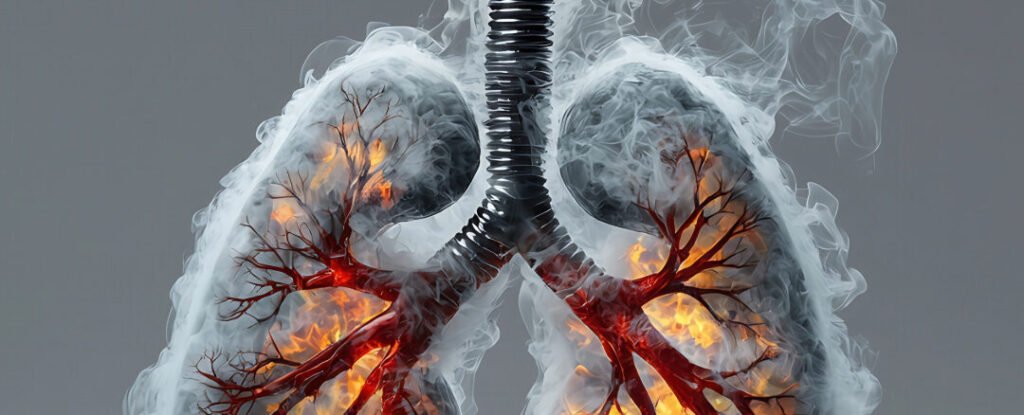
Addictions such as smoking, tobacco chewing, alcohol abuse, and substance dependence silently damage the body’s blood vessels over time. While many people associate addiction mainly with the lungs or liver, its effects on vascular health can be equally serious, and sometimes limb-threatening.
Healthy blood vessels are essential for delivering oxygen and nutrients throughout the body. Addictive substances damage the inner lining of arteries, leading to narrowing, blockage, clot formation, and poor circulation. Over time, this may result in severe vascular diseases affecting the legs, heart, brain, and other organs.
Key fact: Vascular changes caused by addiction often progress silently for years before any symptoms appear, making early evaluation critical even in the absence of obvious warning signs.
How Does Addiction Damage Blood Vessels?
Nicotine and harmful chemicals in tobacco products narrow blood vessels, reduce blood flow, promote clot formation, and damage arterial walls, accelerating atherosclerosis. Alcohol and drug abuse similarly raise blood pressure, weaken vessels, and significantly increase cardiovascular risk.
The damage addictive substances inflict on the vascular system is progressive and multi-layered:
Tobacco and Nicotine
Nicotine and the toxic chemicals in cigarettes, bidis, and smokeless tobacco cause:
• Narrowing of blood vessels (vasoconstriction)
• Reduced blood flow to limbs and organs
• Increased tendency for clot formation
• Damage to the inner lining (endothelium) of arterial walls
• Accelerated progression of atherosclerosis (plaque build-up inside arteries)
Alcohol and Substance Abuse
Excessive alcohol consumption and illicit drug use contribute to vascular damage through different mechanisms:
• Persistent elevation of blood pressure
• Weakening of blood vessel walls
• Increased risk of irregular heart rhythms that promote clot formation
• Higher overall cardiovascular risk over time
Together, these changes create the conditions for serious, often irreversible vascular disease if the addiction continues unchecked.
What Vascular Diseases Are Linked to Addiction?
Addiction is strongly linked to Peripheral Arterial Disease (PAD), stroke, coronary artery disease, and poor wound healing. Smoking alone is one of the most powerful risk factors for PAD, a condition that can lead to gangrene and limb loss if not treated in time.
Here is a detailed look at the major vascular conditions associated with long-term addiction:
1. Peripheral Arterial Disease (PAD)
Smoking is one of the strongest known risk factors for Peripheral Arterial Disease, a condition where reduced blood flow to the legs causes progressive tissue damage. Symptoms include:
• Leg pain or cramping while walking (claudication)
• Cold or pale feet
• Non-healing ulcers on the feet or legs
• Blackening or discolouration of toes
• Gangrene in severe, advanced cases
Advanced PAD may lead to limb amputation if blood flow is not restored promptly through appropriate vascular intervention.
2. Stroke and Brain Vessel Disease
Addiction significantly increases the risk of blockage or rupture of blood vessels in the brain, resulting in stroke. Warning symptoms include:
• Sudden weakness or paralysis on one side of the body
• Difficulty speaking or understanding speech
• Facial drooping or deviation
• Loss of balance or coordination
Early lifestyle modification and cessation of addictive habits can significantly reduce the risk of a first or recurrent stroke.
3. Heart and Coronary Artery Disease
Damaged coronary arteries, those supplying blood to the heart muscle, may result in:
• Chest pain (angina)
• Heart attack (myocardial infarction)
• Reduced heart function and heart failure
Smoking accelerates the formation of arterial plaque inside coronary arteries, dramatically increasing the risk of a heart attack even in relatively younger patients.
4. Poor Wound Healing and Tissue Loss
Reduced circulation prevents the body from delivering the oxygen and nutrients needed to repair damaged tissue. This is particularly dangerous for diabetic patients, where:
• Minor cuts or blisters may fail to heal for weeks or months
• Small wounds can progress to severe infections
• Inadequate blood supply can result in gangrene
Combined with the impaired immunity associated with addiction, poor wound healing represents one of the most serious and limb-threatening consequences of vascular damage.
What Are the Warning Signs of Addiction-Related Vascular Disease?
Key warning signs include leg pain during or after walking, persistent night pain in the feet or legs, foot discolouration, non-healing wounds, numbness or coldness in the limbs, and a noticeable reduction in the distance you can walk before pain forces you to stop.
Many patients with addiction-related vascular disease delay seeking help because they attribute early symptoms to ageing or fatigue. Recognising these signs early is critical to preventing serious complications:
• Leg pain or cramping during walking that eases with rest
• Night pain in feet or legs that disturbs sleep
• Foot or toe discolouration (pale, bluish, or darkened skin)
• Non-healing wounds, sores, or ulcers on the feet or legs
• Persistent numbness, tingling, or coldness in the limbs
• Significant reduction in walking distance over time
Do not ignore: Early diagnosis can prevent serious complications including infection, gangrene, and amputation. If you or a family member has a history of smoking or addiction and experiences any of these symptoms, seek a vascular evaluation promptly.
Can Addiction-Related Vascular Damage Be Reversed?
Stopping addiction is the single most important step toward improving vascular health. Smoking cessation can slow or halt the progression of arterial disease and improve circulation over time. Combined with minimally invasive vascular interventions, many patients recover significantly even after advanced disease.
The degree of reversibility depends on how early the damage is caught and whether the addiction is stopped. Here is what modern vascular care can offer:
Lifestyle and Medical Management
• Smoking and addiction cessation, the most impactful single intervention
• Supervised exercise therapy to improve collateral blood flow
• Medications to control blood pressure, cholesterol, and clotting risk
• Wound care and infection management for non-healing ulcers
Minimally Invasive Vascular Procedures
Modern interventional techniques can restore blood flow without major open surgery:
• Angioplasty and stenting to open blocked or narrowed arteries
• Thrombolysis to dissolve acute blood clots
• Limb salvage procedures to prevent or avoid amputation in advanced PAD
These procedures are performed by an Interventional Radiologist using image guidance, offering patients a safer, faster recovery compared to traditional open vascular surgery.
Important: The sooner treatment begins after cessation of addiction, the better the outcomes. Delaying intervention risks irreversible tissue damage, severe infection, or limb loss.
Who Should Get a Vascular Evaluation and When?
Anyone with a history of smoking, tobacco use, alcohol abuse, or substance dependence, especially if combined with diabetes or hypertension, should seek a vascular evaluation as soon as symptoms develop. Waiting for pain to become severe significantly narrows treatment options.
A vascular evaluation is strongly recommended for patients who:
• Have smoked or used tobacco products for more than 10 years
• Have been diagnosed with diabetes, hypertension, or high cholesterol alongside a history of addiction
• Notice any of the warning signs listed above
• Have a non-healing wound or ulcer on the feet or legs
• Are scheduled for surgery and have a smoking or vascular history
A vascular specialist will typically perform an ultrasound Doppler assessment, ankle-brachial index (ABI) measurement, and where necessary, a CT angiogram to map the extent of arterial disease and plan the most appropriate treatment.
Looking for a Vascular Specialist in Chhatrapati Sambhajinagar?
Dr Amol Lahoti is an Interventional Radiologist at Century Hospital, Chhatrapati Sambhajinagar, specialising in the evaluation and minimally invasive treatment of vascular disease, poor circulation, non-healing wounds, and limb salvage, including cases linked to long-term addiction.
If you have a history of smoking, tobacco use, or any addictive substance and are experiencing symptoms of poor circulation, do not delay seeking specialist care. Dr Amol Lahoti offers:
• Vascular evaluation and Doppler ultrasound assessment
• Angioplasty and stenting for blocked arteries
• Thrombolysis for acute vascular events
• Limb salvage procedures for advanced Peripheral Arterial Disease
• Wound care guidance for non-healing ulcers
🏥 Book a Vascular Consultation
Dr Amol Lahoti | Interventional Radiologist | Century Hospital, Chhatrapati Sambhajinagar
Poor circulation, non-healing wounds, or limb pain? Get evaluated before it’s too late.
Conclusion
Addictions do not only affect overall health, they can severely damage blood vessels and circulation throughout the body. The impact is gradual, often silent, and can escalate to limb-threatening complications if left unaddressed.
Early recognition of warning signs, quitting harmful habits, and timely vascular treatment can prevent major complications and dramatically improve quality of life. Protecting vascular health today helps preserve mobility, independence, and long-term well-being.